A proposed framework for consultation
Are we doing right by people?
A movement towards better decisions, fairer processes and less avoidable harm — in Chloe's name. Because every organisational decision affects a human being. And care, fairness and accountability should never be optional.
The Chloe Promise
Better decisions. Fairer processes. Less avoidable harm.
Our why · Chloe’s story
Behind every policy is a person. Behind this one is Chloe.
Chloe Moffat was 26 years old. She loved her work, where she had built an exemplary record. She was a daughter, a sister, a friend and a young woman with a future ahead of her.
In May 2025, Chloe was unexpectedly confronted at work with allegations she denied. The meeting left her deeply distressed and fearful that she would lose her job. She died the following day.
In August 2026, a coroner found that her employer had materially contributed to Chloe’s death by failing to follow its written disciplinary policy, including failing to explain that dismissal was not the likely outcome.
“We cannot change what happened to Chloe. But we can change how organisations treat people when it matters most.”
The Chloe Policy is being developed in her name to turn those lessons into practical safeguards: establishing facts fairly, communicating clearly, providing support, considering foreseeable harm and taking responsibility before, during and after difficult decisions.
Our why is simple: no person should be reduced to a process, and no organisation should mistake procedural action for human care.
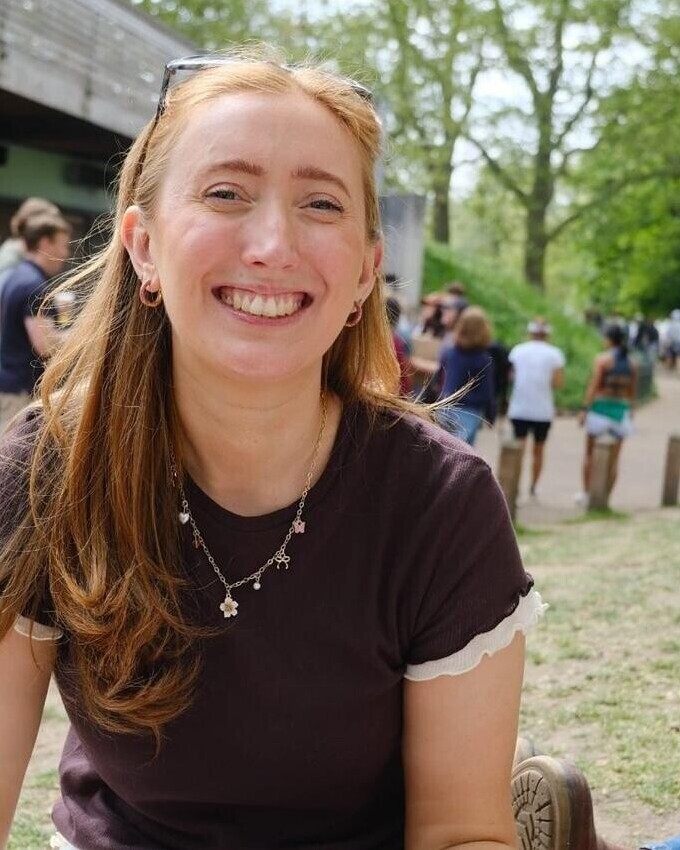
Chloe Moffat, 1998–2025. Remembering the person behind the policy.
Humanity belongs at the heart of every decision.
The Chloe Policy is being developed as a leadership standard to help organisations take responsibility for their decisions, their treatment of people and their duty to prevent avoidable harm.
“A decision should not be judged solely by whether the correct process was followed, but by whether the facts were fairly established, the people involved were treated with dignity, and foreseeable harm was responsibly considered.”
The proposed framework
Five gates. One responsibility.
Every significant decision should be considered through five gates of care, fairness and accountability. Safeguarding and legal duties always come first.
01 - Priority
Safety and Law
Care, safeguarding and legal duties come first, always.
02 - Universal
The Kindness Filter
Four questions that guide decisions and communication.
03 - Conditional
The Evidence Safeguard
Establish facts, examine concerns fairly and consider all perspectives.
04 - High-impact
The Chloe Check
Six human safeguards to keep people seen, heard and protected.
05 - Proportionate
The Fair Response
Choose a proportionate response, hear all perspectives and record reasons.
The greater the potential impact on people, the greater the need for care, fairness, transparency and appropriate oversight.
Four universal questions
The Kindness Filter
A practical pause for thought before decisions are taken or communicated.
- What do we know to be true? Separate facts, assessments, assumptions and open questions.
- Is it necessary? Clarify the purpose and seek a fairer, less harmful route.
- Is it kind? Respect dignity while maintaining fairness and accountability.
- Have we considered harm? Assess foreseeable impacts and support needs.
Protective fairness
Protect people. Establish facts. Act fairly.
Every concern must be assessed for risk without delay, investigated without prejudice and resolved through fair, proportionate and accountable decisions.
The Evidence Safeguard considers unverified evidence, emerging evidence and formal consideration. It calls for impartial assessment, testing alternative explanations and avoiding premature conclusions.
Protecting those at risk and respecting the dignity and rights of those accused are complementary responsibilities — not competing choices.
Before high-impact action
The Chloe Check
Six human safeguards designed to make difficult decisions more thoughtful, fair and accountable.
01
Have we established the facts?
Separate evidence from assumptions and avoid premature judgement.
02
Is our response fair and proportionate?
Consider alternatives, consequences and appropriate safeguards.
03
Have we considered the human impact?
Protect dignity, wellbeing and psychological safety.
04
Does the person know what to expect?
Provide clarity, appropriate notice, support and adjustments.
05
Who is responsible for their wellbeing?
Ensure support, follow-up and a response to distress.
06
Would our approach withstand scrutiny?
Challenge assumptions, document decisions and learn.
Aftercare matters. A decision may be final; our duty of care is not.
Help shape what comes next
Be part of The Chloe Policy.
We are inviting individuals and organisations to support the campaign, contribute to consultation and help turn the proposed framework into meaningful practice.
Leaders & organisations
CEOs, HR directors and employers: express interest in becoming an early adopter and help shape the framework.
Individuals & supporters
Share your support, expertise or experience and help build a movement for more humane decisions.
Press & media
Help raise awareness of The Chloe Policy, its purpose and the people working to bring it to life.
Get involved - hello@thechloepolicy.com Press enquiries - press@thechloepolicy.com
The Chloe Policy is a proposed framework under consultation. Expressions of interest do not constitute formal adoption, accreditation or endorsement.